
An advertorial writing example for independent design studios and local creative businesses
Great design begins with understanding a customer’s needs
For independent interior designers, one of the biggest marketing challenges is explaining the value of professional services to people who may never have worked with a designer before.
Potential customers often wonder whether they need professional guidance, what services are included, and whether their available budget is suitable.
An educational article can answer these questions while demonstrating expertise in an accessible way.
Here are several topics that interior design businesses can use to create helpful, customer-focused content.
1. Understanding how a space will be used
A well-designed room should support the everyday activities of the people who occupy it.
Before selecting furniture or decorative finishes, homeowners can benefit from considering movement, storage, lighting, accessibility, and the functions the room must accommodate.
For example, a living room used for family gatherings may need a different layout than one primarily used for reading or working.
Marketing lesson: Focus on solving the customer’s problem rather than promoting an attractive final result alone.
2. Choosing furniture that fits the space
Furniture selection involves more than appearance. Scale, access, circulation, and the dimensions of entrances and hallways can affect whether a piece works in a room.
Simple educational content about measuring rooms, preparing floor plans, and planning furniture placement can help customers avoid preventable mistakes.
Marketing lesson: Useful, actionable advice demonstrates expertise even before a customer hires a professional.
3. Creating a consistent design style
Many homeowners like elements of multiple design styles but struggle to combine them.
Professional designers can explain how colour palettes, materials, proportions, and lighting choices help create a coherent interior.
An educational article might illustrate how to combine existing furniture with new finishes without requiring a complete renovation.
Marketing lesson: Explain your professional process so customers understand the value behind your work.
4. Understanding the role of lighting
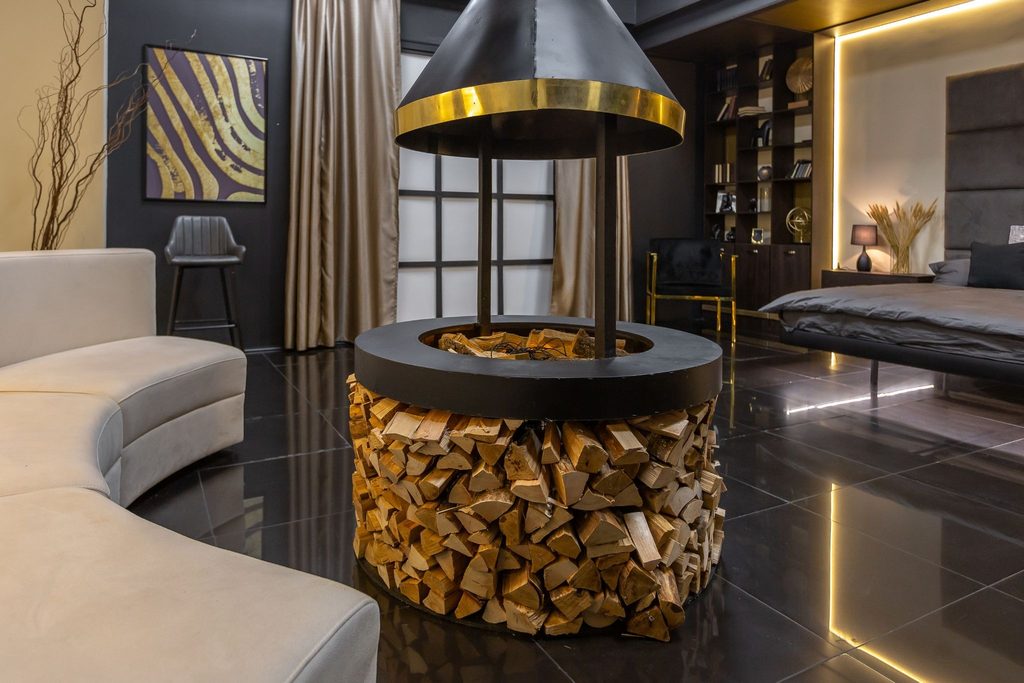
Natural and artificial lighting influence how a space functions and how colours and materials appear.
A designer may consider general lighting, task lighting, and accent lighting depending on the room’s needs.
Sharing practical lighting examples helps readers better understand the decisions involved in planning an interior.
Marketing lesson: Specific examples can make an otherwise unfamiliar professional service more approachable.
5. Setting realistic project expectations
Interior design projects vary in scope. Some involve a consultation or layout recommendations, while others include detailed plans, material selections, purchasing, and project coordination.
Customers benefit from understanding deliverables, approximate timelines, approval processes, and how potential changes are handled.
Marketing lesson: Transparency about the process can help attract enquiries from customers who understand the service they are considering.
How interior design studios can use educational advertorials
Independent designers can adapt this format for blogs, newsletters, client guides, or social media.
A useful article should explain a meaningful customer concern, include practical suggestions, and clarify when professional expertise may be helpful.
Where appropriate, real project photographs, customer-approved examples, and documented design decisions can provide context.
Promotional statements should remain factual. Avoid presenting unverified claims of superior results or suggesting that professional design is essential for every homeowner.
Additional resources for evaluating interior design services
Before selecting a designer, consumers can review portfolios, ask about project scope, request written pricing information, and discuss experience with similar spaces.
Optional partner resource (affiliate link):
Explore an interior-design planning or professional-services resource
View our recommendation for the best design services in the area hereThis optional resource may contain a commercial referral link. GB Local Growth Alliance may earn compensation from qualifying activity. Readers are free to compare other providers, and access to this educational article does not depend on using the link.
Develop your marketing knowledge with GB Local Growth Alliance
Small design businesses do not necessarily need complicated advertising strategies to communicate their value.
Helpful articles, clear service descriptions, and consistent communication can form part of an effective marketing foundation.
GB Local Growth Alliance provides education and mentorship intended to help local small-business owners build visibility and communicate with customers ethically.
Explore GB Local Growth Alliance’s Programs
Editorial and Affiliate Disclosure
This article is an educational example illustrating how independent interior designers and creative businesses can use informative content to explain their services, share practical design knowledge, and build customer trust. It is published as part of GB Local Growth Alliance’s commitment to small-business marketing education and does not constitute personalized interior design or architectural advice.
Some links within this article may be affiliate links to third-party interior design professionals, design resources, or related service providers. GB Local Growth Alliance may receive compensation when readers make qualifying purchases or enquiries through these links, depending on the partnership terms. Such contributions help support our nonprofit’s educational programs, business mentorship, and local economic development initiatives.
Our editorial guidance is not determined by affiliate relationships. Readers are free to explore alternative providers and should independently evaluate portfolios, professional experience, pricing, and service agreements before selecting an interior design professional.